Identifying Similarities and Differences
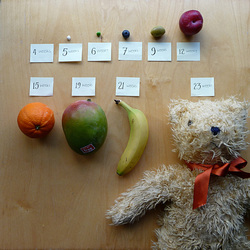
Seed to Bear (2010) by Jody Digger on Flickr.
Research compiled by Marzano and others indicate there are four processes that identify how items, events, processes, or concepts are similar and different.
They are comparing, classifying, creating metaphors, and creating analogies.
1. Comparing is identifying similarities and differences between or among ideas. (Venn diagrams, comparison charts)
2. Classifying is identifying characteristics and grouping like items. (Charts, circle diagrams)
3. Recognizing metaphors requires identifying a pattern in one topic, then finding a different topic that has the same pattern. (chart or metaphor pattern diagram)
4. Using analogies involves identifying and analyzing relationships between ideas. (pictorial form of the A:B::C:D)
They are comparing, classifying, creating metaphors, and creating analogies.
1. Comparing is identifying similarities and differences between or among ideas. (Venn diagrams, comparison charts)
2. Classifying is identifying characteristics and grouping like items. (Charts, circle diagrams)
3. Recognizing metaphors requires identifying a pattern in one topic, then finding a different topic that has the same pattern. (chart or metaphor pattern diagram)
4. Using analogies involves identifying and analyzing relationships between ideas. (pictorial form of the A:B::C:D)
Tips for Success
Research indicates that the this strategy is most effective if it follows an instructional sequence that links prior knowledge to new knowledge.
- use familiar content to teach students the steps
- give students graphic organizers
- teach students a variety of ways to identify similarities and differences (typically metaphors and analogies are used less often but have powerful impact for learning experiences)
- select the strategy to match the content (see above)
- students should understand comparison before classifying
- model each strategy and provide feedback
Students today need the skills to apply existing concepts to new and unfamiliar situations with a curriculum that is large and ever-growing. They will need to process and manage information faster than ever before.
- use familiar content to teach students the steps
- give students graphic organizers
- teach students a variety of ways to identify similarities and differences (typically metaphors and analogies are used less often but have powerful impact for learning experiences)
- select the strategy to match the content (see above)
- students should understand comparison before classifying
- model each strategy and provide feedback
Students today need the skills to apply existing concepts to new and unfamiliar situations with a curriculum that is large and ever-growing. They will need to process and manage information faster than ever before.
Graphic Organizers, Analogies

|

|

|

|

|

|

Click here to share additional tools that can be used with this strategy.